Animals vs Drones: How to Avoid Attacks
Yes, you absolutely need to worry about animals attacking your drone. Many bird species see drones as a threat and will defend their territory aggressively. Some animals, like seals or sea lions, might investigate your drone out of curiosity and accidentally damage it. Being aware of potential animal encounters is key to keeping your drone safe.
It’s not just about eagles swooping in. Even smaller birds can cause trouble. We found that aggressive behavior is common when drones fly too close to nesting sites. Some drone pilots have even reported curious whales or dolphins nudging their submerged cameras. Understanding animal behavior can help you avoid costly accidents.
TL;DR:
- Birds often attack drones as a defense mechanism.
- Curious animals can also damage your drone.
- Avoid flying near nesting areas or known animal habitats.
- Maintain a safe distance to prevent confrontations.
Let’s walk through exactly how to keep your drone safe from curious critters and angry avians.
Protecting Your Drone from Animal Encounters
It’s a valid concern: will animals attack your drone? You’ve invested time and money into your gear, and the last thing you want is a bird of prey turning it into a snack. Or maybe a curious seal decides it’s a new chew toy. We found that being prepared is your best defense. Knowing what attracts animals and how they react can save your drone from a messy end. Let’s get into the nitty-gritty of keeping your aerial photography buddy safe and sound.
Understanding Why Animals Attack Drones
Territorial Defense: Birds of Prey and Other Guardians
Many birds see drones as intruders. They perceive them as threats to their nests or territory. This is especially true during mating and nesting seasons. Eagles, hawks, and falcons are common culprits. We found that these birds have excellent eyesight. They can spot a drone from a distance. Their instinct is to defend their space. This can lead to aggressive dives and attacks. It’s not personal; it’s just nature’s way of saying, “Get off my lawn!”
Curiosity Kills the Drone (Sometimes)
Not all animal interactions are aggressive. Some animals are simply curious. Marine mammals like seals, sea lions, and dolphins might approach your drone out of interest. They may nudge it or try to interact with it. This curiosity can still lead to damage. A playful swat from a seal’s flipper can be surprisingly strong. We found that even fish might investigate a submerged drone camera. Think of it like a puppy investigating a new toy. It’s playful, but can still cause unintentional harm.
Mistaken Identity: Is That a Rival?
Sometimes, an animal might mistake your drone for another animal. For instance, a bird might see your drone as a rival for food or territory. A predator might see it as potential prey. We found that this is particularly true if your drone has bright colors or reflective parts. It might mimic something they’ve seen before. This confusion can trigger an aggressive response.
Strategies to Avoid Animal Attacks
Choose Your Flight Location Wisely
Where you fly your drone matters. Avoid areas known for abundant wildlife. National parks and nature reserves are often teeming with animals. They are their homes, not just scenic backdrops. We found that staying away from known nesting sites is vital. This includes cliffs, tall trees, and open fields during breeding seasons. Also, be mindful of coastal areas. Seals and seabirds often frequent these spots. Always check local regulations and advisories before flying.
Maintain a Safe Distance: The Golden Rule
The simplest way to avoid confrontation is to keep your distance. How far is safe? We found that guidelines vary, but a general rule is to stay at least 100 feet away from wildlife. For larger birds of prey, you might need even more space. If an animal shows interest or agitation, increase your distance immediately. Don’t push your luck. Your drone’s safety is more important than getting that “perfect” shot. Remember, you’re a visitor in their world.
Observe Animal Behavior Before You Launch
Before you even power up your drone, take a moment to observe. Are there birds actively circling overhead? Do you see animals congregating in the area? If you notice signs of agitation or territorial behavior, it’s probably not the best time or place to fly. We found that observing the local wildlife for a few minutes can tell you a lot. Are they relaxed, or are they on high alert? If they seem stressed, so should you be about flying.
Understanding Bird Signals
Birds have ways of telling you they’re not happy. They might circle your drone repeatedly. They could make alarm calls. Some may dive or swoop towards it. We found that aggressive postures, like an arched neck or spread wings, are clear warnings. If you see any of these signs, it’s time to abort your mission and land the drone.
Marine Life Awareness
For drone operators near water, be aware of marine mammals. They might surface unexpectedly. If you’re flying a drone over water, keep an eye out for fins or splashes. If a seal or dolphin approaches, don’t try to chase it away. Just maintain your altitude and wait for it to move on. We found that sudden movements can sometimes attract them further.
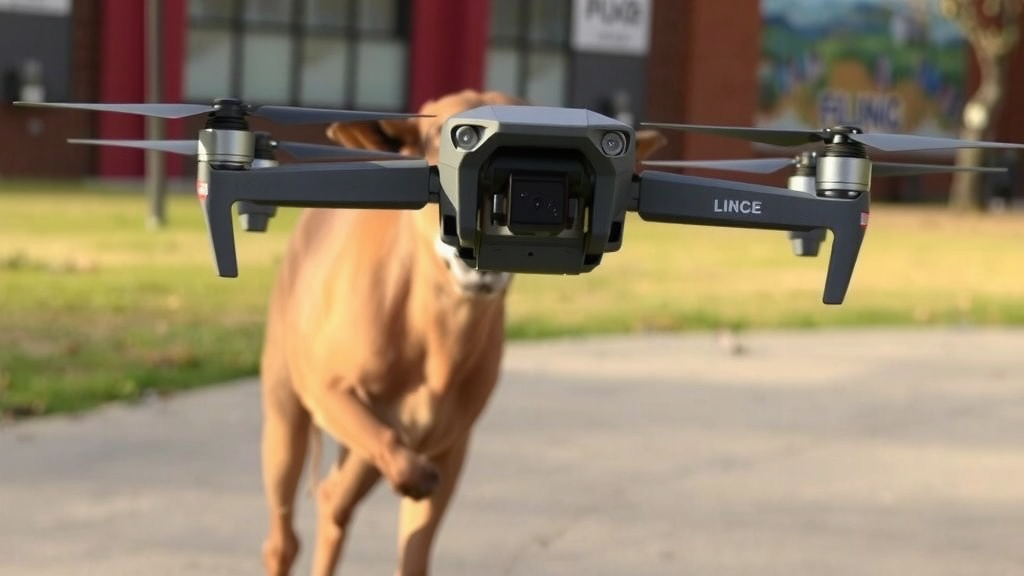
Technical Tips for Drone Protection
Drone Color and Visibility
Did you know your drone’s color can matter? Bright, vibrant colors are often more visible to birds. This can sometimes make them more aggressive. We found that some pilots prefer drones with more subdued colors. However, you also need your drone to be visible to you for safe operation. A balance is key. Reflective tape or bright landing gear can improve your visibility to yourself without necessarily provoking animals.
Sound and Noise Pollution
The sound of a drone can also attract or agitate animals. Some research suggests that certain frequencies might be perceived as threats or disturbances. While it’s hard to control the sound your drone makes, be aware that it’s a factor. We found that flying at lower altitudes might make the sound more noticeable to ground-dwelling animals. Consider how your drone’s noise might affect the local environment.
Fly at Optimal Times
Timing can be everything. Early mornings and late evenings are often when animals are most active. This is also when they might be more sensitive to disturbances. We found that midday, when the sun is high and many animals are resting, might be a safer bet. However, always check specific animal behavior patterns for the area you plan to fly in. Some animals are crepuscular, meaning they are most active at dawn and dusk.
Your Drone Safety Checklist
Here’s a quick rundown to keep your drone out of harm’s way:
- Scout your location for wildlife activity before flying.
- Maintain a generous distance from all animals.
- Watch for warning signs like aggressive circling or calls.
- If an animal approaches, increase altitude or land safely.
- Avoid flying near known nesting grounds or sensitive habitats.
- Consider the time of day for less active wildlife.
Conclusion
Keeping your drone safe from curious or territorial animals is totally doable. You’ve learned that many animals see drones as intruders or potential threats. Birds defend their nests, and marine life might investigate out of curiosity. By understanding their behavior and choosing your flight path carefully, you can significantly reduce risks. Always remember to maintain a safe distance and observe your surroundings before you even take off. Your next flight should be focused on fun and great footage, not avoiding a feathery or finned foe.
Frequently Asked Questions
What’s the best drone color to avoid animal attacks?
While bright colors can make your drone more visible to you, they might also attract unwanted attention from wildlife. Subdued colors can be less provocative. We found that a balance is key, ensuring your drone is visible to you for safe operation while being less likely to trigger an aggressive response from animals.
How close can I fly to animals without causing problems?
A general guideline suggests staying at least 100 feet away from most wildlife. For larger birds of prey or marine mammals, you might need even more space. If an animal shows any sign of interest or agitation, it’s best to increase your distance immediately.
Can the sound of my drone bother animals?
Yes, the noise your drone makes can sometimes agitate or attract animals. Certain sound frequencies might be perceived as a threat or disturbance. While you can’t eliminate the sound, being aware of it is important, especially when flying at lower altitudes near ground-dwelling creatures.
What should I do if an animal starts approaching my drone?
If an animal begins to approach, your best bet is to stop flying and either increase your drone’s altitude or land it safely. Avoid trying to chase the animal away, as this can sometimes make them more curious or defensive. Give them space and wait for them to move on.
Are there specific times of day that are safer for flying around wildlife?
Midday, when the sun is high and many animals are resting, can often be a safer time to fly. Early mornings and late evenings are when wildlife is typically most active and potentially more sensitive to disturbances. Always check the typical activity patterns for the specific animals in your flight area.