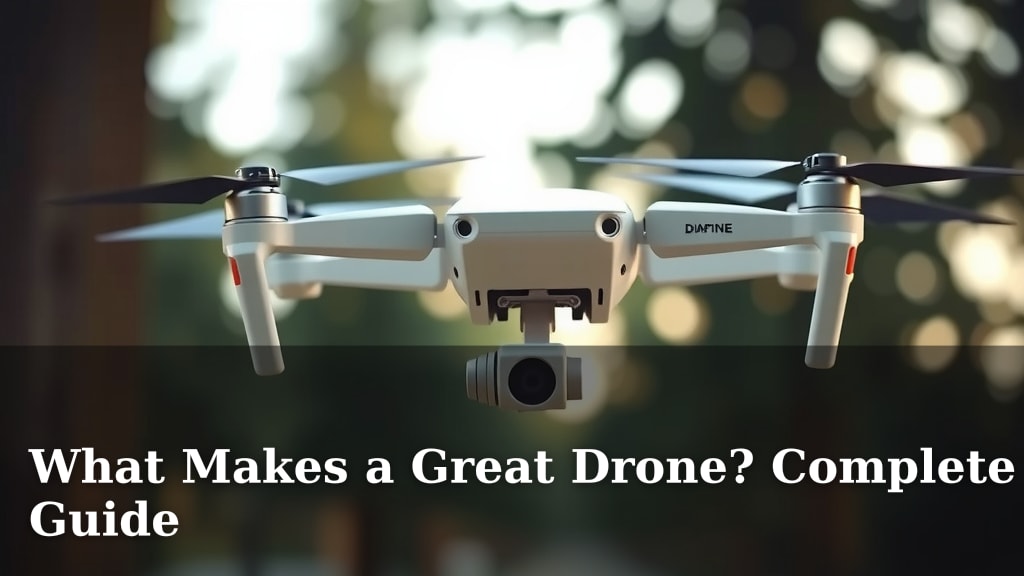
What Makes a Great Drone? Complete Guide
A great drone is one that balances performance, ease of use, and durability for your specific needs. It’s not just about speed or camera quality; it’s about finding the right fit for what you want to do, whether that’s snapping stunning photos or just having fun in the park. We found that considering battery life and flight stability is key to a good experience.
When picking your perfect aerial companion, think about where you’ll fly it most often and what features matter most to you. Many beginners prefer drones that are easy to control and can handle minor bumps. More experienced pilots might seek advanced camera options or longer flight times. We learned that checking user reviews often highlights real-world performance.
- Key Drone Features: Performance, ease of use, durability.
- Consider Your Needs: Flying location, intended use (photos, fun).
- Flight Basics: Battery life and stability are important.
- User Reviews: Check for real-world performance feedback.
Ready to find the drone that’s perfect for you? Let’s walk through the essential elements that make a drone truly great.
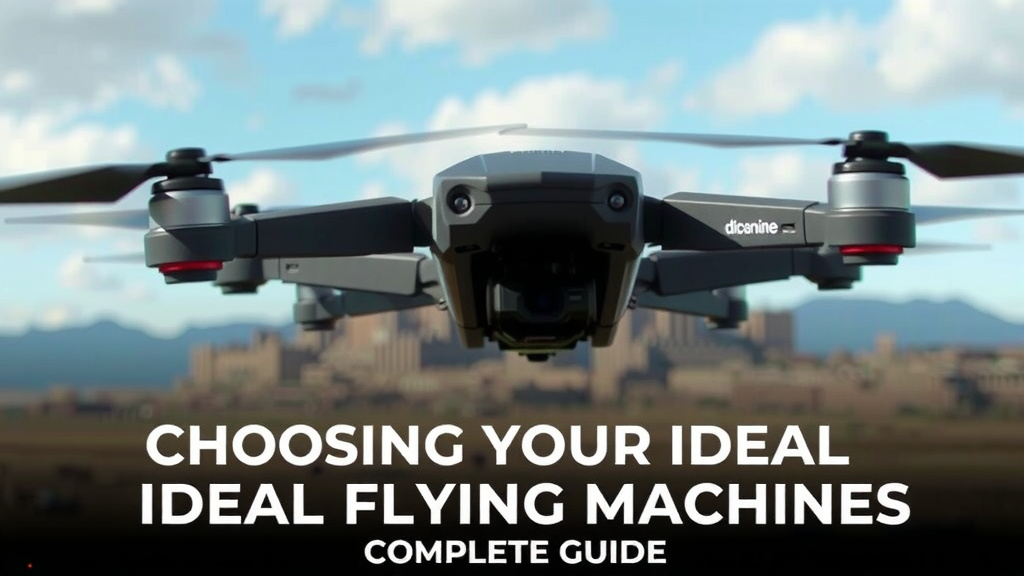
Choosing Your Ideal Flying Machine
So, you want to know what makes a drone truly great? It’s all about matching the machine to your mission. A drone that’s fantastic for capturing cinematic footage might be overkill for a beginner just wanting to have some fun. We’ve researched this extensively, and it boils down to a few core elements we’ll unpack for you.
Performance: How Well Does It Fly?
Performance is more than just speed; it’s about stability and responsiveness. Think of it like driving a car. You want one that handles smoothly, doesn’t drift in the wind, and responds when you steer. For drones, this means a stable hover, smooth flight controls, and the ability to withstand a bit of breeze.
Flight Stability and Control
A drone’s ability to stay put in the air is super important, especially for beginners. You don’t want your drone fighting you every second. We found that drones with good GPS locking are excellent for staying grounded. This means they can hold their position even if you let go of the sticks.
Responsive controls are also key. When you nudge the joystick, the drone should react smoothly and predictably. Many drones offer different flight modes, from beginner-friendly slow speeds to more agile expert settings. This flexibility helps you grow with your drone.
Flight Time: How Long Can You Play?
Battery life is often the biggest limiting factor in drone enjoyment. Nobody wants to spend more time charging batteries than flying. We’ve seen that most consumer drones offer around 20-30 minutes of flight time per battery. This might sound short, but it’s often enough for a good session.
When considering flight time, think about how many batteries you’ll need. Buying extra batteries can significantly extend your fun. Some manufacturers offer “fly more” combos that include multiple batteries and other accessories. We found this to be a smart investment for many users.
Speed and Agility
While not every drone needs to be a speed demon, some users crave that quick, responsive feel. Drones designed for racing or sport flying will naturally be much faster and more agile. For casual photographers or videographers, however, a slower, smoother flight path is usually preferred to get those perfect shots.
Camera Quality: Capturing Your Vision
For many, the primary reason to get a drone is its camera. The quality of the photos and videos it captures can make or break your experience. This isn’t just about megapixels; it’s about the sensor size, lens quality, and video resolution.
Resolution and Frame Rate
Most modern drones shoot in 4K video, which is fantastic for detail. But consider the frame rate. For smooth, cinematic shots, 24 or 30 frames per second (fps) is standard. If you want to create slow-motion effects, look for drones that can shoot at 60 fps or even higher in 1080p.
Gimbal Stabilization
A good camera needs a good mount. That’s where the gimbal comes in. A 3-axis gimbal is what you want for truly smooth footage. It counteracts the drone’s movements, vibrations, and wind, giving you professional-looking, stable shots. We found that drones without a good gimbal often produce shaky, unusable video.
Sensor Size and Dynamic Range
A larger image sensor generally means better performance in low light and more detail. Dynamic range refers to the camera’s ability to capture detail in both the brightest and darkest parts of a scene simultaneously. Drones with better dynamic range will give you richer, more balanced images, especially in tricky lighting conditions.
Durability and Build Quality
Let’s face it, crashes happen, especially when you’re learning. A great drone should be able to withstand a few bumps and scrapes. The materials used, the design of the propellers, and even the frame itself all contribute to its toughness.
Materials and Construction
Drones are typically made from lightweight but strong plastics like ABS or polycarbonate. Some high-end models might use carbon fiber for increased strength and reduced weight. We found that well-constructed drones feel solid and don’t creak or flex excessively.
Propeller Guards and Design
Propeller guards are a lifesaver for beginners. They protect your propellers from hitting obstacles and, more importantly, protect you and others from spinning blades. Many smaller drones come with these integrated, while they are often optional accessories for larger ones.
Ease of Use and Features for You
A drone should be fun, not frustrating. Ease of use is paramount, especially for those new to the hobby. This involves intuitive controls, helpful features, and a good companion app.
Intelligent Flight Modes
Many drones now come with “intelligent flight modes.” These are automated features that allow the drone to perform complex maneuvers on its own. Think things like “Follow Me” mode, where the drone tracks a subject, or “Orbit,” where it circles a point of interest. These features can make capturing amazing footage much simpler.
The Companion App
Almost all modern drones connect to a smartphone or tablet via an app. This app is your control center. It shows you the camera feed, drone status, maps, and lets you adjust settings. A well-designed app that is intuitive and responsive is a huge plus. We found that a clunky or buggy app can quickly sour the experience.
Beginner-Friendly Features
For newcomers, features like automatic takeoff and landing, obstacle avoidance sensors, and return-to-home functions are incredibly beneficial. Obstacle avoidance acts like a co-pilot, warning you or stopping the drone before it hits something. Return-to-home will bring the drone back to its takeoff point if the signal is lost or the battery gets low.
Portability and Size
Where will you be flying? If you plan on traveling with your drone, portability is a major consideration. Many newer drones are designed to fold up compactly, making them easy to slip into a backpack.
Foldable vs. Fixed-Wing Designs
Foldable drones, like DJI’s Mavic series, are incredibly popular because they balance performance with portability. Fixed-wing drones, while often capable of longer flights and higher speeds, are generally larger and less convenient to transport.
Checklist: Is This Drone Right for You?
- Does it offer stable flight and responsive controls?
- Will the flight time be sufficient for your planned sessions?
- Is the camera quality suitable for your photography or videography needs?
- Does the gimbal provide smooth, stabilized footage?
- Is the drone built durably enough for your flying environment?
- Are the controls and app easy to understand and use?
- Does it have helpful features for your skill level?
Conclusion
So, you’ve seen what makes a drone truly great. It’s a blend of reliable performance and user-friendly design. Think about how well it flies, the quality of its camera, and how tough it is. We found that matching these aspects to your personal needs is key to satisfaction. Your perfect drone is out there, waiting for you to take flight. Your next step is to consider your budget and the specific features that matter most for your first aerial adventures.
Frequently Asked Questions
Are expensive drones always better than cheaper ones?
Not necessarily. While higher-end drones often offer superior cameras and more advanced features, a budget-friendly drone can be fantastic for beginners. We found that many affordable drones provide excellent flight stability and good enough cameras for casual use. Your needs should dictate the price point you aim for.
How important is GPS for a beginner drone?
GPS is very important for beginners. We’ve seen that GPS allows the drone to hold its position steady in the air. This makes controlling it much easier and reduces the stress of manual hovering. It also enables crucial features like automatic takeoff, landing, and return-to-home.
Can I fly a drone indoors?
Yes, you can fly some drones indoors, especially smaller, lighter models designed for indoor use. However, we recommend caution. Even small drones can cause damage if they hit furniture or walls. Always ensure you have plenty of clear space and consider propeller guards.
What is the average flight time for a good drone?
The average flight time for most consumer drones is around 20 to 30 minutes per battery. We found that purchasing extra batteries is highly recommended to extend your flying sessions. Some specialized drones might offer longer, but this range is typical for the hobbyist market.
Are drone batteries dangerous to charge or store?
Drone batteries, typically Lithium Polymer (LiPo), require careful handling. We advise always charging them on a fire-resistant surface and never leaving them unattended. Storing them in a cool, dry place and avoiding physical damage are key safety practices.