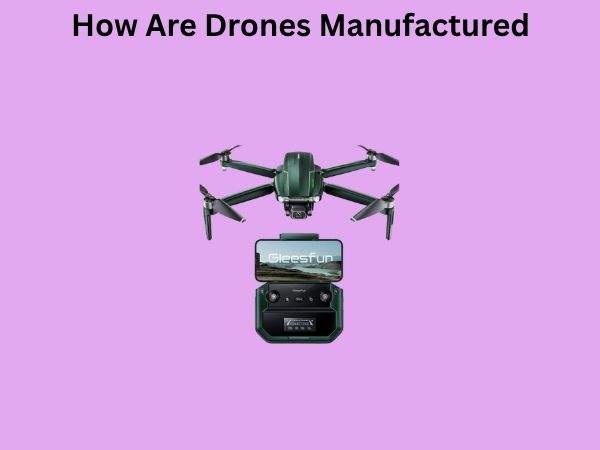
How Are Drones Manufactured? Inside a Drone Production Facility
Have you ever wondered what goes on behind the scenes when your favorite drone is being built? It’s not just someone assembling a few parts in a garage—there’s actually a fascinating world of precision engineering, quality control, and technological innovation happening in modern drone manufacturing facilities. I’m going to take you on a journey through the complete process of how drones are manufactured, from the initial design phase all the way to the finished product rolling off the assembly line.
The Blueprint Phase: Where It All Begins
Before a single piece of material is cut or shaped, every drone starts its life as an idea in the minds of engineers and designers. This is where the real magic happens—in the design phase. Think of it like an architect sketching out a building before construction begins. Engineers use sophisticated computer-aided design software to create detailed digital models of every component, from the frame to the flight controller.
During this phase, designers consider dozens of factors simultaneously. They’re thinking about weight distribution, aerodynamics, battery capacity, payload capacity, and even how weather conditions might affect performance. It’s a delicate balancing act because every decision impacts the final product. A frame that’s too heavy will drain the battery faster, while a frame that’s too fragile might not survive a crash.
Computer Simulation and Testing
Modern drone manufacturers don’t just hope their designs work—they test them virtually first. Using advanced simulation software, engineers can fly their digital drones through countless scenarios before building a physical prototype. They can simulate wind conditions, battery drain rates, and even crash scenarios. It’s like having a test flight without spending thousands of dollars on materials or risking equipment damage.
Sourcing Materials and Components: The Supply Chain
Once a design is finalized, the real work begins. Drones are incredibly complex devices that require components from all over the world. You might have carbon fiber frames from one supplier, brushless motors from another, electronic speed controllers from yet another, and flight computer systems from specialists in a completely different region.
Manufacturers work with a global network of suppliers. They’re constantly evaluating quality, cost, and reliability. This is where relationships matter. A drone manufacturer might work with the same motor supplier for years, building trust and ensuring consistent quality. Think of it like choosing your favorite restaurant—you go back because you know what to expect.
Quality Assurance at the Source
Here’s something most people don’t realize: quality control doesn’t start on the assembly line. It starts before materials even arrive at the facility. Manufacturers send inspectors to supplier facilities to verify that components meet exact specifications. They’re checking dimensions, testing materials, and reviewing manufacturing processes. It’s preventative medicine rather than treating the disease after it happens.
Key Components Sourced from Specialists
- Carbon fiber and aluminum frame materials
- Brushless electric motors with specific RPM ratings
- Electronic speed controllers for motor regulation
- Flight control computers and processors
- Camera sensors and stabilization gimbals
- Lithium polymer or lithium-ion battery cells
- Propellers in various sizes and configurations
- Radio frequency transmitters and receivers
- Various fasteners, connectors, and cables
The Manufacturing Process: Building the Frame
Now we’re getting to the heart of production. When all components arrive at the facility, the actual assembly process begins. For most consumer and professional drones, the frame construction is where everything starts. The frame is essentially the skeleton of the drone—it holds everything together and determines how the device will respond to forces during flight.
For high-end drones, frame manufacturing often uses carbon fiber. This material is chosen because it’s incredibly strong relative to its weight. Picture trying to build something that’s simultaneously light as a feather and tough as steel—that’s what engineers are aiming for. Carbon fiber sheets are carefully cut using precision machinery, often laser cutters or CNC machines that follow exact digital specifications.
Precision Machining and Cutting
The machinery used in drone frame production is state-of-the-art. Computer numerical control machines work with tolerances measured in fractions of a millimeter. A tiny deviation could affect how propellers balance or how the center of gravity sits. Imagine trying to thread a needle while wearing oven mitts—that’s the level of precision we’re talking about.
Carbon fiber sheets are layered and pressed together in specific patterns. The direction of the fibers matters tremendously because it affects how flexible or rigid different parts of the frame will be. It’s almost like weaving fabric, except the result is aerospace-grade material that can support extreme forces.
Motor Installation and Electronic Integration
Once the frame is ready, it’s time to start installing the components that make the drone actually move. The brushless motors are mounted at the frame’s extremities. These aren’t ordinary electric motors—they’re specialized devices designed for high RPM operation and rapid acceleration.
Installing motors requires precision alignment. If a motor is even slightly crooked, it will cause vibration during flight, which throws off the drone’s stability and can damage other components. Technicians use jigs and alignment tools to ensure each motor sits perfectly perpendicular to the frame.
Wiring and Electronic Component Installation
Here’s where drones become incredibly complex. Hundreds of electrical connections need to be made. You’ve got power distribution boards connecting the battery to each motor controller, flight computers receiving data from sensors, and communication systems linking the drone to its remote controller.
Modern drones use ribbon cables and soldered connections that are scrutinized under magnification. A cold solder joint—one that looks connected but isn’t quite solid—could fail mid-flight. Quality control specialists check every single connection because one failure could mean a crashed drone.
Critical Electronic Systems Being Installed
- Flight controller with gyroscope and accelerometer sensors
- Barometric pressure sensor for altitude measurement
- Compass for directional orientation
- Camera and gimbal stabilization system
- Power distribution and battery management systems
- Radio receiver for remote control signals
- Data transmission modules for video and telemetry
Battery Assembly and Energy Storage Solutions
A drone is only as good as its power source. Battery manufacturing and assembly is a critical phase in drone production, and it’s treated with the utmost care. Lithium polymer and lithium-ion batteries are powerful but temperamental. They need to be handled correctly to ensure safety and longevity.
Battery packs are assembled by connecting individual cells in series and parallel configurations. Each connection is soldered with extreme precision. Some drones use multiple smaller battery packs rather than one large one—this improves weight distribution and provides backup power.
Safety Testing and Battery Certification
Before batteries ever leave the manufacturing facility, they go through rigorous testing. They’re charged, discharged, and charged again dozens of times. They’re subjected to temperature extremes to ensure they work in different climates. Short circuit tests are performed to verify safety mechanisms work correctly. It’s exhausting just thinking about it, but this testing saves lives and prevents fires.
Propeller Manufacturing and Balancing
You might think propellers are simple—they’re just blades that spin, right? Wrong. Drone propellers are precision instruments. They’re designed using aerodynamic principles to generate lift while minimizing noise and vibration. The angle of the blade (called pitch), the shape of the airfoil, and even the material composition all matter.
Propellers are manufactured using injection molding or CNC machining, depending on the design. Plastic propellers are cheaper and good for smaller drones, while carbon fiber propellers offer better performance for professional applications. After manufacturing, every single propeller is dynamically balanced. This is like wheel balancing on a car—any imbalance will cause vibration and reduce flight efficiency.
Quality Control for Propellers
Propellers are individually weighed and tested for balance. They’re spun up to operating RPM on special test rigs, and sensors detect any vibration. If a propeller is slightly out of balance, it’s either adjusted or discarded. This might seem extreme, but imagine the problems caused by unbalanced propellers at 5,000 RPM—your drone would shake itself apart.
Final Assembly: Bringing It All Together
Now comes the moment where separate parts become a functional flying machine. Final assembly is orchestrated like a well-choreographed dance. Each technician has specific tasks performed in a specific order because sequence matters. You can’t attach the propellers before installing the motors, and you can’t seal the body before checking all internal connections.
Assembly line workers use specialized tools and jigs to ensure consistency. They follow detailed checklists to verify that each component is installed correctly. It’s repetitive work, but it’s absolutely critical because even small mistakes get magnified when the drone is in the air.
Calibration and Firmware Installation
After physical assembly, the drone needs to be calibrated and configured. Flight controllers need to be programmed with specific parameters. Sensors need to be calibrated so they read accurately. Software needs to be loaded onto the device. This is done using specialized equipment that communicates with the drone’s internal computer.
Different drones require different firmware versions, depending on their intended use and market region. A drone destined for the European market might have different frequency settings than one going to North America. This customization happens during final assembly.
Testing and Quality Control: The Final Gauntlet
Before a drone leaves the facility, it faces a battery of tests that would make any technology jealous. We’re talking about comprehensive quality assurance that catches problems before they reach customers. Nobody wants to buy a drone that crashes on its first flight or loses video feed midway through.
Bench Testing and Systems Verification
First, drones go through bench testing. The flight controller is powered up and all systems are verified. Sensors are tested to ensure they’re reading correctly. The radio link is tested to confirm the remote control communicates properly with the drone. It’s like a medical checkup—the doctor is making sure everything’s functioning as it should.
Flight Testing in Controlled Environments
Next comes actual flight testing. Modern facilities have designated test areas where drones are flown in controlled conditions. They’re tested for stability, responsiveness to control inputs, and battery performance. Some facilities have indoor test chambers where environmental conditions can be controlled—temperature, humidity, even wind speed.
During these test flights, technicians look for any signs of problems. They monitor for vibration, unusual sounds, or erratic behavior. They test the maximum range of the remote control. They verify that the video transmission is clear and stable. If anything seems off, the drone is flagged for investigation.
Longevity and Stress Testing
High-end manufacturers don’t just test a few drones—they test representative units from each production batch extensively. These drones might be flown for hours, put through acceleration and deceleration tests, and subjected to extreme conditions. It’s accelerated wear testing to predict how a drone will hold up over its entire lifespan.
Packaging and Quality Assurance Documentation
Once a drone passes all testing, it’s ready to meet its final form before shipping. Packaging is designed to protect the drone during transit while also creating a good unboxing experience for customers. The packaging includes protective foam, cables, and a user manual.
Each drone receives documentation including serial number registration, warranty information, and test results. Some manufacturers include a certificate showing that the specific unit passed all quality checks. This gives customers peace of mind that their drone has been thoroughly tested.
Regulatory Compliance and Certification
Drones also need to meet regulatory requirements. Different countries have different standards for radio frequency emissions, safety certifications, and operational requirements. Manufacturers test their drones to ensure compliance with these regulations before shipping them anywhere.
Advanced Manufacturing Techniques
The most advanced drone manufacturers are constantly innovating their production methods. Some facilities now use robotics for repetitive tasks like motor installation and component alignment. This improves consistency and reduces human error. However, humans still perform the most delicate work requiring judgment and finesse.
Automation and Robotics in Modern Facilities
Robotic arms handle tasks like soldering, component placement, and frame cutting. These machines never get tired, never have a bad day, and perform the exact same action thousands of times without variation. But they’re not replacing humans—they’re freeing humans to focus on quality control and complex problem-solving.
Conclusion
Manufacturing a drone is far more complex than most people realize. It’s a blend of cutting-edge engineering, precision machining, meticulous quality control, and human expertise. From the initial design phase through component sourcing, frame construction, electronic integration, testing, and final packaging, every step matters. The drones you see flying overhead represent thousands of hours of development, millions of dollars in equipment investment, and countless decisions made to optimize performance, safety, and reliability. The next time you watch a drone take flight, you’ll have a newfound appreciation for the incredible journey it took to get there. Drone manufacturing is where technology, craftsmanship, and innovation converge to create machines that were once pure science fiction.
Frequently Asked Questions
How long does it take to manufacture a single drone from start to finish?
The timeline varies significantly depending on the drone’s complexity and the manufacturer’s production capacity. For consumer drones, the actual assembly process might take several hours to a full day, but this is just the final step. When you factor in design, component sourcing, quality control testing, and packaging, the total time from concept to finished product can span months or even years for new models. High-volume manufacturers can produce thousands of drones per month once they’ve optimized their processes.
Why is there such a big price difference between consumer and professional drones?
The price difference reflects several manufacturing factors. Professional drones use higher-quality components, more advanced materials like premium carbon fiber, and undergo more rigorous testing. They also include features like better cameras, longer flight times, and enhanced safety systems. Additionally, professional drones are manufactured in smaller quantities, which means higher per-unit costs since development and tooling expenses are spread across fewer units. Consumer drones benefit from economies of scale since they’re produced in massive volumes.
How do manufacturers ensure that two drones of the same model fly identically?
Consistency is achieved through standardized manufacturing processes, precision machining, and rigorous component specifications. Every component is sourced from suppliers who meet exact quality standards. During assembly, technicians follow detailed procedures and use calibrated tools and jigs. After assembly, each drone undergoes the same test protocols. Calibration software is loaded identically on each unit. While natural variations will always exist in manufacturing, these procedures minimize differences so that two drones from the same production batch perform nearly identically.
What happens to drones that fail quality control testing?
Drones that don’t pass quality control testing are rarely sold as new units. They’re typically analyzed to determine what went wrong. If the issue is minor, the drone might be repaired and retested. If multiple drones fail in the same way, it signals a potential problem in the manufacturing process, component sourcing, or design that needs investigation. Some failed units are disassembled for parts, while others are used for further testing to understand failure modes. Manufacturers take failed units very seriously because they represent opportunities to improve their processes.
Can drone manufacturers custom-build drones to specific specifications?
Yes, especially professional drone manufacturers. Companies that produce agricultural drones, inspection drones, or specialized professional equipment often work with customers to customize designs for specific applications. However, custom builds are expensive and time-consuming because they bypass standard assembly line processes. They typically require new tooling, custom components, and extensive testing. Most customers choose from available models because custom manufacturing can cost significantly more and take months to complete.
“`