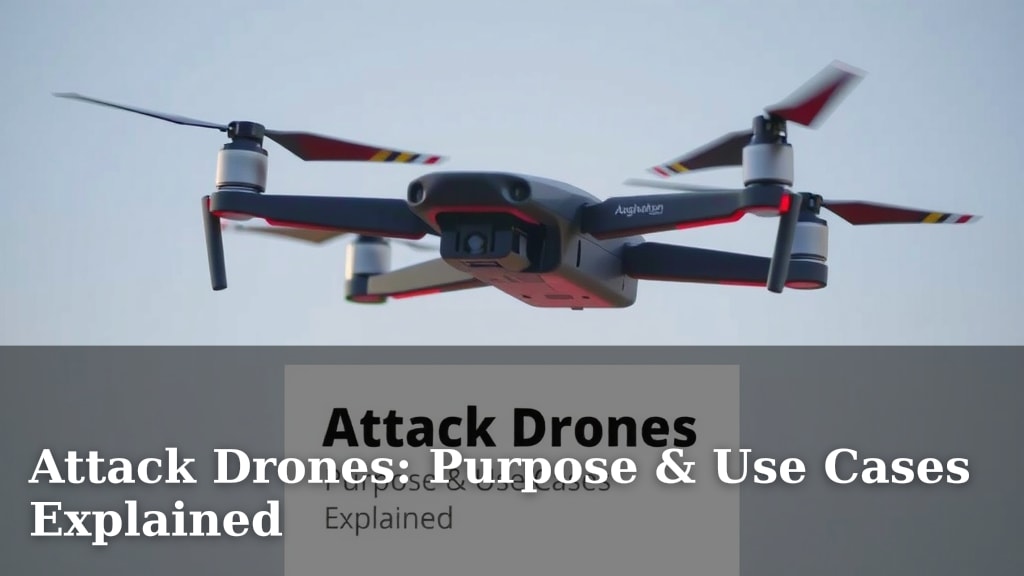
Attack Drones: Purpose & Use Cases Explained
Attack drones are unmanned aerial vehicles used for military purposes, primarily for reconnaissance and striking targets. They can be deployed in situations too dangerous for human pilots, helping to reduce risk to friendly forces and gather critical intelligence. Their use has rapidly expanded across various military operations.
These drones, also known as Unmanned Combat Aerial Vehicles (UCAVs), offer increased precision and extended operational endurance. They can operate in challenging environments and provide persistent surveillance. Many defense analysts see them as a key component of modern warfare strategies.
- Attack drones are unmanned aircraft.
- They are used for military reconnaissance and striking targets.
- Their primary purpose is to reduce risk to human soldiers.
- They can operate in dangerous or hard-to-reach areas.
- Attack drones are becoming a vital part of modern military operations.
Let’s walk through exactly what these advanced machines are used for and the specific scenarios where they shine.
What Are the Main Uses of Military Drones?
You might wonder why these advanced flying machines are becoming so common. Their primary role is to perform dangerous missions. Think about tasks that put human pilots at great risk. Attack drones can go where it’s too hot for people. This helps keep our service members safe.
Gathering Intelligence and Surveillance
Before any mission, knowing the enemy’s position is key. Drones are fantastic for gathering intelligence. They can fly for hours, providing a constant eye in the sky. This is called persistent surveillance. They capture video and images. This information helps commanders make smart decisions.
Imagine a battlefield situation. Drones can fly over enemy lines. They can spot troop movements or weapon emplacements. This intel is critical for planning attacks or avoiding ambushes. It’s like having a super-spy that never needs a break.
Targeting and Striking Adversaries
Beyond just watching, attack drones can also strike. They carry weapons like missiles or bombs. These drones can precisely hit designated targets. This offers accuracy that minimizes collateral damage. Many modern systems guide these weapons with high precision.
Think of a small, moving target in a difficult area. A drone can loiter above. It waits for the perfect moment. Then, it can launch an attack with great accuracy. This capability is a major reason for their widespread adoption. It allows for swift action when needed.
Precision Strikes in Congested Areas
One area where precision matters most is in populated zones. Drones can identify specific threats. They can then engage those threats without harming civilians. This is a huge advantage in urban warfare. It reduces the risk to innocent lives on the ground.
Reconnaissance and Electronic Warfare
Drones aren’t just about cameras and bombs. Some are equipped for electronic warfare. This means they can jam enemy communications. They can also gather signals intelligence. This disrupts enemy operations and provides valuable data.
So, a drone might fly near enemy positions. It could then intercept their radio chatter. This tells us what they’re planning. It’s like listening in on their secret conversations. This electronic capability adds another layer to their usefulness.
Specific Use Cases for Attack Drones
Let’s look at some real-world scenarios. These show why attack drones are so important today. They operate in many different environments and situations.
Counter-Terrorism Operations
In the fight against terrorism, drones offer unique advantages. They can track suspects in remote or difficult terrain. They can provide surveillance over long periods. This helps identify terrorist cells and their activities. It’s a safer way to gather intel on dangerous groups.
When a terrorist group is located, drones can assist. They can provide targeting information for ground forces. In some cases, they can carry out strikes themselves. This helps neutralize threats quickly and with less risk to friendly troops.
Border Patrol and Security
Keeping borders secure is a constant challenge. Drones can patrol vast stretches of land or sea. They can detect illegal crossings or smuggling activities. Their ability to cover large areas is unmatched by many traditional methods.
They can also provide real-time video feeds. This allows border agents to respond faster. They can see what’s happening as it unfolds. This makes border security more efficient and effective.
Support for Ground Troops
Ground forces often face dangers from the air. Drones can act as their eyes and ears. They can scout ahead of advancing troops. They can warn of enemy ambushes or hidden dangers. This provides a critical layer of protection.
Drones can also provide close air support. If ground troops come under fire, a drone can quickly engage the enemy. This can turn the tide of a firefight. It gives the soldiers on the ground a much-needed advantage.
Maritime Operations
Navies use drones for various tasks at sea. They can perform reconnaissance over vast ocean areas. This helps locate enemy vessels or monitor shipping lanes. They can also be used for search and rescue missions. Their endurance allows for extended patrols.
Some drones can even attack enemy ships. This adds a powerful offensive capability to naval forces. They can operate far from the main fleet, extending reach and effectiveness.
How Different Drones Fulfill Their Roles
Not all attack drones are the same. They come in various sizes and capabilities. This allows them to be used for different specific jobs.
Medium-Altitude, Long-Endurance (MALE) Drones
These are perhaps the most well-known type. They can fly for many hours at high altitudes. Think of them as the workhorses for surveillance. They gather data over large regions.
MALE drones are often used for intelligence gathering. They can also carry precision-guided munitions. This means they can conduct strikes when needed. Their long flight times make them ideal for persistent monitoring.
High-Altitude, Long-Endurance (HALE) Drones
These drones fly even higher than MALE types. They can operate above most weather. They can also avoid many traditional air defenses. This makes them excellent for deep reconnaissance behind enemy lines.
While some HALE drones can carry weapons, their primary strength is intel. Their high vantage point offers a broad view. They can observe large areas without being easily detected.
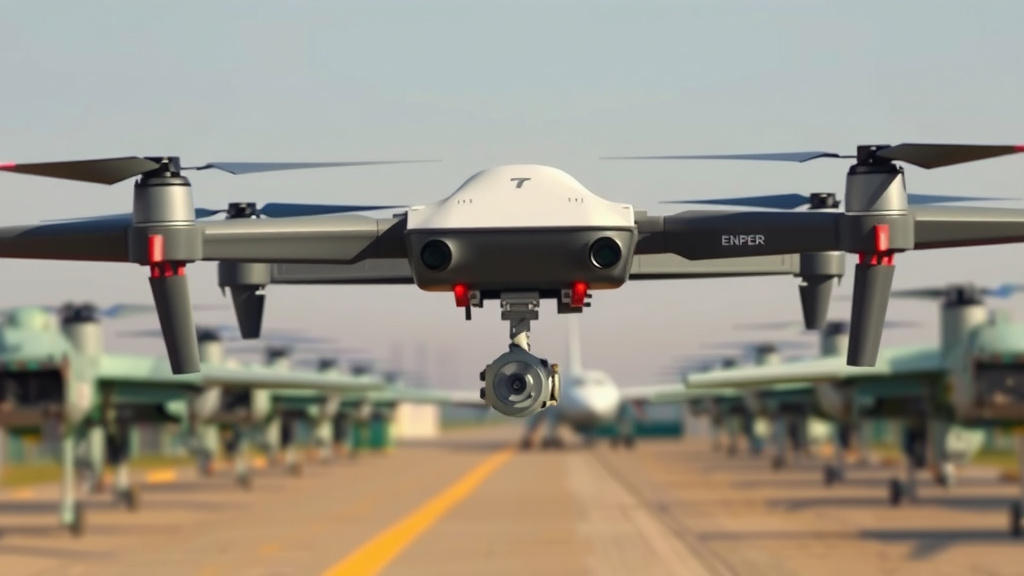
Tactical Drones
These are typically smaller drones. They are designed for use by ground units. They can be launched quickly from forward positions. Their role is to provide immediate battlefield awareness.
Tactical drones offer real-time information to soldiers on the ground. They can help identify immediate threats. Some can even carry small payloads. This allows them to engage close-range targets. They are like a personal surveillance system for a platoon.
Key Considerations for Drone Use
Using these powerful tools comes with important considerations. We need to think about how they are controlled and employed.
Here’s a quick checklist of things to keep in mind:
- Mission Planning: Drones require careful planning.
- Operator Training: Skilled pilots are essential.
- Rules of Engagement: Clear guidelines are vital.
- Maintenance: Drones need regular upkeep.
- Ethical Use: Deployment must be responsible.
The technology is advancing rapidly. We found that understanding these different roles and considerations is key. It helps us appreciate the growing importance of attack drones in modern defense.
Conclusion
You’ve learned that attack drones are more than just flying robots. They are vital tools for modern defense. Their ability to gather intel and strike targets precisely saves lives. From counter-terrorism to border security, their use cases are expanding. Understanding their purpose helps you see their impact. As this technology continues to grow, staying informed about their development is a smart next step. Keep an eye on how these systems will shape future operations.
Frequently Asked Questions
Are attack drones only used by the military?
Primarily, yes. Attack drones are sophisticated military assets designed for defense and combat roles. While civilian drones exist for photography or inspection, the term “attack drone” specifically refers to military applications.
How do attack drones improve safety for soldiers?
Attack drones can perform dangerous missions, like reconnaissance in hostile territory or engaging enemy targets. This keeps human pilots and ground troops out of harm’s way. They act as a remote extension of the force, reducing human risk.
Can attack drones accidentally harm civilians?
Modern attack drones are designed for high precision. They use advanced guidance systems to hit specific targets. This accuracy greatly helps minimize collateral damage. Strict rules of engagement are also in place to prevent unintended harm.
What is the difference between MALE and HALE drones?
MALE drones operate at medium altitudes for long periods, often for surveillance and striking. HALE drones fly much higher, making them excellent for deep reconnaissance deep behind enemy lines. Both offer extended flight times but focus on different operational altitudes and primary roles.
How are attack drones controlled during a mission?
Attack drones are controlled remotely by trained operators, usually from a ground station or even a ship. These operators use sophisticated control systems and data links to guide the drone, monitor its sensors, and execute commands during its flight.