At What Weight Do You Have to Register a Drone? FAA Rules Explained
If you’re thinking about getting into the world of drone flying, you’ve probably wondered about the registration requirements. The question of whether your drone needs to be registered with the FAA can feel confusing, especially when there are so many different regulations floating around. Let me break this down for you in a way that actually makes sense.
The truth is, drone registration isn’t just about the weight of your aircraft—though that’s certainly a major factor. It’s about understanding the FAA’s framework and figuring out where your specific drone falls within it. So let’s dive in and explore everything you need to know about drone registration requirements based on weight.
Understanding the FAA’s Weight Categories for Drones
The Federal Aviation Administration has established specific weight thresholds that determine whether your drone needs to be registered. Think of these weight categories as different lanes on a highway—each one has its own set of rules and requirements.
The most important threshold to understand is the 0.55-pound mark. This is the magic number that separates drones that require registration from those that don’t. If your drone weighs less than 0.55 pounds, you’re in a special category that the FAA calls “aircraft” that don’t require traditional registration. However, if it weighs 0.55 pounds or more, you’re entering territory where registration becomes necessary.
Drones Under 0.55 Pounds
Drones that weigh less than 0.55 pounds are technically exempt from FAA registration requirements. This might sound like a free pass, but there’s an important catch. Even though these ultra-lightweight drones don’t need registration, they still must comply with other FAA rules and regulations. You can’t just fly them anywhere, anytime, without any restrictions.
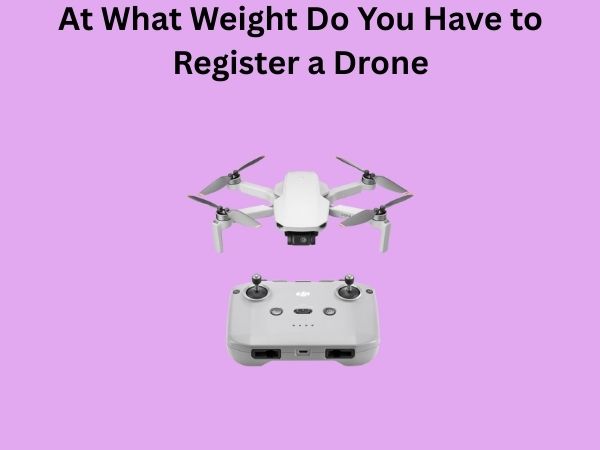
These lighter drones are often called “micro drones” or “mini drones,” and they’re incredibly popular with beginners. The DJI Mini series falls into this category, which is why so many people are drawn to them. But here’s the thing—just because you don’t need to register doesn’t mean you’re completely free from rules.
Drones Over 0.55 Pounds
Once your drone crosses the 0.55-pound threshold, registration with the FAA becomes mandatory. This applies to most consumer drones like the DJI Air series, Autel drones, and many professional-grade aircraft. The registration process is relatively straightforward, but it’s absolutely required if you want to fly legally.
The FAA Part 107 Registration Process
So you’ve determined that your drone weighs more than 0.55 pounds. What’s next? You need to understand the registration process, which falls under FAA regulations, particularly those outlined in Part 107.
The good news is that registering your drone is actually quite simple and doesn’t cost much. The FAA registration fee is just fifteen dollars, and the entire process can be completed online. You’ll receive a registration number that must be displayed on your drone, typically on the bottom or side of the aircraft.
How to Register Your Drone
The registration process involves a few straightforward steps. First, you’ll visit the FAA’s official registration website. Then you’ll provide information about yourself, including your name, address, and email. Next, you’ll describe your drone, including its make, model, and the purpose you intend to use it for.
- Visit the FAA DroneZone registration portal
- Create an account or log in with existing credentials
- Complete your personal information
- Provide details about your drone
- Pay the fifteen-dollar registration fee
- Receive your registration number via email
- Display the number on your drone
Once you receive your registration number, you’re officially authorized to fly your drone. This number is valid for three years, after which you’ll need to renew your registration if you still want to operate your aircraft.
Weight Verification: How to Know Your Drone’s Exact Weight
Now here’s where things can get a bit tricky. You need to know your drone’s weight accurately to determine whether registration is required. But here’s the problem: manufacturers often list weights in different ways, and the way they measure can affect whether your drone falls below or above that crucial 0.55-pound threshold.
Manufacturers typically provide the weight of just the aircraft body, without the battery or propellers. This is called the “bare weight.” However, the FAA considers the weight of your drone ready for flight, which includes the battery and all components. This difference can be substantial.
Understanding Manufacturer Weight Specifications
When you look at a drone’s specifications, you’ll often see multiple weight measurements. The bare weight might be listed as 0.45 pounds, but once you add the battery and propellers, you could be looking at 0.6 pounds or more. This is why many drones that seem like they might be under the threshold actually aren’t.
The takeaway here is to always check the total weight of your drone in its flight-ready configuration. Don’t rely solely on the bare weight listed in the box. If you’re unsure, use a precise digital scale to weigh your drone with the battery installed.
Why Manufacturers Measure Weight This Way
You might wonder why manufacturers don’t just list the flight-ready weight. The reason is that different people use different batteries and configurations. A professional might use a larger capacity battery than a hobbyist, which would increase the overall weight. Manufacturers list the bare weight so consumers can calculate their specific configuration.
Exceptions and Special Cases for Drone Registration
The FAA’s regulations aren’t completely black and white. There are some exceptions and special cases that you should know about.
Part 107 Commercial Operators
If you’re operating your drone commercially—meaning you’re being paid for your services—you’ll need more than just registration. You’ll need to obtain a Part 107 Remote Pilot Certificate. This certificate requires passing an exam and demonstrates that you understand the rules and safety requirements for commercial drone operations. The weight of your drone still matters, but commercial operators have additional responsibilities regardless of weight.
Government and Law Enforcement Exceptions
Government agencies and law enforcement organizations often have different registration requirements. They may be exempt from certain civilian registration rules, but they still operate under strict guidelines. If you’re operating a drone for a government agency, you’ll likely have specific regulations that apply to your situation.
Agricultural and Research Operations
Certain specialized operations, such as agricultural applications or research activities, might fall under different regulatory frameworks. However, registration requirements typically still apply to the aircraft itself, regardless of how you intend to use it.

The Difference Between Hobbyist and Commercial Use
Your intended use of the drone significantly impacts which regulations apply to you, and in some cases, whether registration is required.
Hobbyist Drone Flying
If you’re flying your drone purely for recreational purposes—maybe to take some cool aerial photos for yourself or just for the fun of flying—you’re a hobbyist. Hobbyist operators still need to register their drones if they weigh over 0.55 pounds, but they don’t need the Part 107 certificate. They do, however, need to follow all other FAA rules, including altitude restrictions and airspace regulations.
Commercial Drone Operations
Commercial operators are those being paid for their drone services. This could include real estate photography, surveying, delivery services, or any other business application. Commercial operators need both registration and a Part 107 certificate. They also face more stringent operational requirements and need to follow specific rules about where and when they can fly.
Important Airspace Restrictions and Rules Beyond Registration
Registration is just one piece of the puzzle. Even if your drone doesn’t technically require registration because it weighs less than 0.55 pounds, you still need to follow all other FAA regulations.
Altitude Restrictions
The FAA limits recreational drone flights to 400 feet above ground level. This might sound high, but it’s actually quite restrictive when you consider how high modern drones can fly. Going higher than 400 feet is illegal and dangerous, as it brings your drone into airspace that manned aircraft might be using.
Line of Sight Requirements
You must maintain visual line of sight with your drone at all times while flying. This means you need to be able to see your aircraft with your own eyes—using an FPV camera feed doesn’t count as visual line of sight for recreational flights. This rule exists to prevent collisions and ensure you’re in control of your aircraft.
Airspace Awareness
Before you fly, you need to check whether your location is in controlled airspace. You can use apps like B4UFly to check whether you’re allowed to fly in a particular area. Some areas, like near airports or military bases, are off-limits for drone operations. Others require special permission.
How Registration Numbers Must Be Displayed on Your Drone
Once you’ve registered your drone, you need to display your registration number on the aircraft itself. The FAA is specific about how this should be done.
Your registration number must be clearly visible and legible when inspected. It should be displayed on the outside of the aircraft, not hidden inside. Most people put it on the bottom of the drone using a permanent marker or a label. The number needs to be durable and not easily removed or damaged.
Where to Place Your Registration Number
The most common location is the bottom of the aircraft, where it’s easily accessible for inspection but won’t affect the drone’s aerodynamics. Some operators put it on the side, and others use multiple locations. The key is that it must be visible and legible.
If your drone is damaged or your registration number becomes illegible, you should update your registration. Similarly, if you transfer the drone to someone else, that person will need to register it under their own information.
Renewal and Expiration of Drone Registration
Your drone registration isn’t permanent. It expires after three years, and you’ll need to renew it if you want to continue flying legally.
The FAA will send you a reminder when your registration is approaching expiration. Renewal is as simple as the initial registration process and costs another fifteen dollars. If you fail to renew and continue flying, you could face fines and legal consequences.
What Happens When Registration Expires
Once your registration expires, you cannot legally fly your drone. This is a hard rule with no exceptions. Even if you’re in the middle of an important commercial project, flying an unregistered drone is illegal. That’s why it’s crucial to keep track of your expiration date and renew before it passes.
Penalties for Non-Compliance and Flying Without Registration
The FAA takes drone registration seriously, and there are real consequences for not following the rules.
If you’re caught flying a drone that weighs over 0.55 pounds without registration, you could face civil penalties of up to twenty-seven thousand dollars. For criminal violations, the penalties are even more severe, potentially including fines of up to two hundred and fifty thousand dollars and imprisonment for up to three years.
These penalties might seem extreme, but they reflect how seriously the government takes airspace safety. Unregistered drones can pose a threat to manned aircraft and other airspace users, which is why enforcement is strict.
How Violations Are Detected
The FAA and local law enforcement agencies use various methods to detect drone violations. They might observe drones flying in restricted airspace, check registration numbers during inspections, or investigate reports from the public. With modern technology, it’s becoming increasingly difficult to fly unregistered drones without detection.
Differences Between FAA Categories and State Regulations
While the FAA sets federal regulations for drones, it’s important to understand that some states and municipalities have additional rules.
States might impose stricter regulations than the FAA, and some cities or counties might have local ordinances that further restrict drone operations. For example, some areas require additional permits or have altitude restrictions lower than the federal 400-foot limit. Before you fly, research the specific rules in your area.
Local Ordinances and Permits
Many cities require drone operators to obtain local permits in addition to FAA registration. Some parks or public areas might prohibit drones entirely. It’s your responsibility to know what the rules are where you intend to fly. Ignorance of local regulations isn’t a defense against violations.
Technology and the Future of Drone Registration
The FAA continues to evolve its regulations as drone technology advances. Remote identification, also known as Remote ID, is becoming increasingly important in the regulatory landscape.
Remote ID essentially allows drones to broadcast their identity and location electronically. This technology is being phased in and will eventually become mandatory for most drones. It serves a similar purpose to registration but does so in real-time, allowing authorities to identify drones remotely without needing to visually inspect them.
The Shift Toward Remote ID
As Remote ID becomes standard, the traditional registration process might evolve. However, for now, physical registration remains a requirement. Newer drones often have Remote ID capability built in, while older drones might require special equipment to comply with these emerging requirements.
Conclusion
The question of when you need to register a drone ultimately comes down to weight, but it’s more nuanced than simply checking if your aircraft is above or below 0.55 pounds. You need to understand the complete regulatory framework, including how weight is measured, what registration entails, and what other rules apply to your situation.
If your drone weighs 0.55 pounds or more in flight-ready configuration, registration is mandatory. The process is simple, inexpensive, and quick. Even if your drone weighs less, you must still comply with all other FAA regulations regarding altitude, line of sight, and airspace restrictions. Beyond federal regulations, always check for local rules and state-specific requirements.
Flying a drone legally protects not only yourself from penalties but also contributes to airspace safety for everyone. Take the time to register properly, keep your registration current, and follow all applicable rules. Your responsible drone operation helps ensure that this technology continues to be accessible to enthusiasts and professionals alike.
Frequently Asked Questions
Can I fly a drone under 0.55 pounds without any registration or permits?
While drones under 0.55 pounds don’t require FAA registration, they still must comply with all other regulations. You cannot fly them above 400 feet, you must maintain visual line of sight, and you must respect airspace restrictions. Additionally, some states and municipalities have their own rules that may apply regardless of drone weight. Always check local regulations before flying.
What if my drone is right around 0.55 pounds—how do I know which side of the regulation it falls on?
Use an accurate digital scale to weigh your drone in its flight-ready configuration, including the battery and propellers. If it weighs 0.55 pounds or more, registration is required. If it weighs less than 0.55 pounds, registration isn’t required, but all other rules still apply. When in doubt, register your drone—it’s inexpensive and ensures you’re compliant.
How long does the FAA registration process take?
The online registration process itself takes just a few minutes to complete. You’ll typically receive your registration number via email within a few days, though in many cases it’s available immediately after payment. Once you have the number, you can display it on your drone and start flying legally.
Do I need to register my drone in every state where I fly?
No, you only need to register your drone once with the