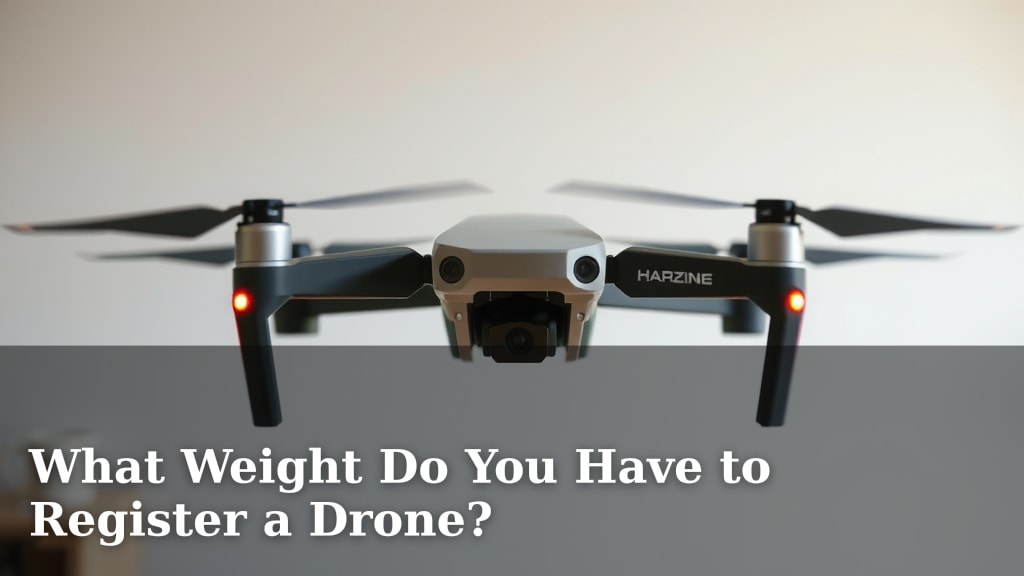
What Weight Do You Have to Register a Drone?
You have to register a drone if it weighs 0.55 pounds (250 grams) or more. This is a federal requirement for all drone operators in the United States. Not registering your drone can lead to serious penalties.
So, if your drone is heavier than a can of soup, you’ll need to follow the FAA’s registration rules. We’ve researched the latest requirements so you don’t have to guess. It’s important to know this weight threshold to fly legally.
- Drones weighing 0.55 lbs (250g) or more need registration.
- Registration is handled through the FAA.
- It’s a federal law for US drone pilots.
- Failure to register can result in fines.
Below, we’ll walk you through exactly when and how you need to register your drone so you can fly with confidence.
Figuring Out Your Drone’s Registration Weight
So, you’re wondering about the magic number? When does your drone officially need a federal registration? The Federal Aviation Administration (FAA) has set a clear guideline. You need to register your drone if it weighs 0.55 pounds or more. That’s about 250 grams. Think of it like this: if your drone is heavier than a can of soda, it’s time to register.
This weight threshold is super important. It’s the primary factor the FAA uses to determine if your drone needs to be on their official registry. Understanding this simple number helps you stay on the right side of the law. It ensures you can fly your drone legally and without worry.
Why Weight Matters for Drone Registration
The FAA’s weight requirement isn’t arbitrary. They aim to balance recreational and commercial drone use with public safety. Lighter drones, often used for casual fun, might not pose the same level of risk. Heavier drones, however, can carry more sophisticated equipment or pose a greater potential hazard if operated irresponsibly. This is why the 0.55-pound mark is your key indicator.
It’s their way of saying, “If your flying machine is getting serious, we need to know about it.” This rule applies to most hobbyist drones you’ll find on store shelves. It also covers many professional-grade drones used for photography, surveying, or other commercial tasks. Always check the manufacturer’s specifications for your drone’s weight.
Is Your Drone a Toy or a Tool? The Weight Tells the Tale
You might be asking, “Does this apply to my tiny little drone I got as a gift?” Generally, most ultra-light drones, often marketed as toys, fall below the 0.55-pound threshold. These are usually the ones that look more like miniature helicopters or planes and don’t have advanced features. They’re designed for simple, indoor fun or very light outdoor use.
On the other hand, if your drone has features like high-definition cameras, advanced GPS, or a larger frame, it’s much more likely to hit or exceed that 0.55-pound mark. Drones used for videography, real estate photography, or agricultural monitoring almost always require registration. It’s about distinguishing between a casual flyer and a more capable aircraft.
What If Your Drone is Exactly 0.55 Pounds?
This is a common question! If your drone’s weight is precisely 0.55 pounds (or 250 grams), does it need registration? Yes, it does. The rule is “0.55 pounds or more.” This means that if your drone hits that exact weight, it still requires registration. There’s no grace period for hitting the number precisely.
Always round up if you’re unsure. It’s better to be safe than to risk penalties. Drone manufacturers usually list the weight in their product specifications. You can also weigh your drone yourself using a simple kitchen scale if you’re still in doubt. Make sure to include the battery when you weigh it, as that’s part of the operational weight.
Drones Under 0.55 Pounds: The Exceptions
What about those super light drones? If your drone consistently weighs less than 0.55 pounds (250 grams), you generally do not need to register it with the FAA. This is a big relief for many hobbyists who just want to fly for fun without the paperwork. You can usually find these drones in the “toy drone” category.
However, even with these lighter drones, you must still follow all other FAA rules for drone operation. This includes flying safely, staying away from airports, and not flying over people or crowds. Just because it doesn’t need registration doesn’t mean you can fly anywhere, anytime, with no rules. Safety is always the priority.
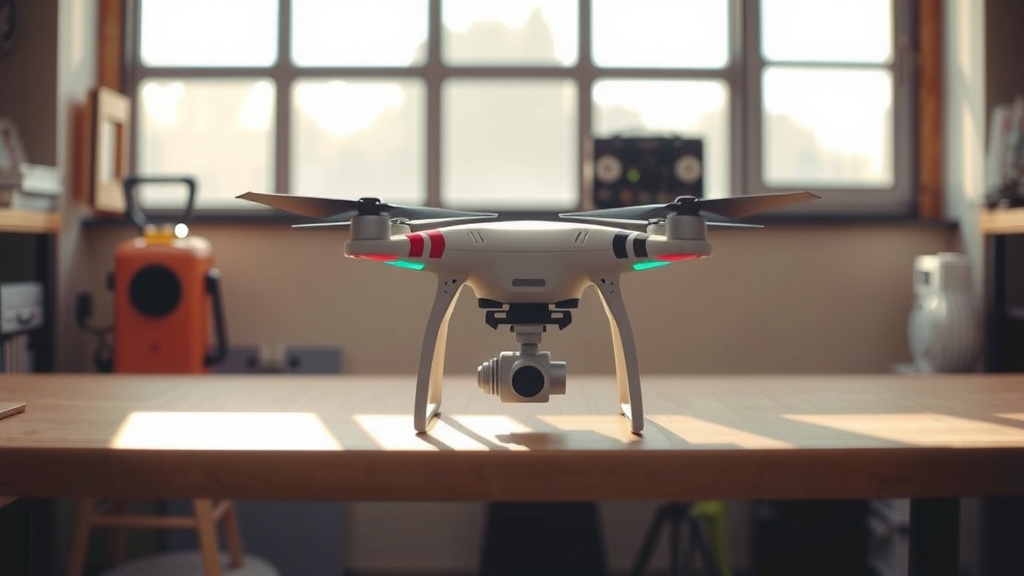
Don’t Forget About Accessories and Modifications
Here’s a sneaky detail: accessories and modifications can add up. Did you add a bigger battery for longer flight times? Maybe you attached a small camera or other sensors. These additions can increase your drone’s overall weight. What was once a drone under the registration threshold might now be over it.
It’s your responsibility to ensure your drone’s weight is accurate, especially if you’ve made any changes. If you’ve customized your drone, re-weigh it to be sure. A small change can push you over the 0.55-pound limit. We found that many drone enthusiasts overlook this, leading to accidental non-compliance.
The FAA Registration Process: A Quick Overview
If your drone meets the weight requirement, you’ll need to register it with the FAA. The process is straightforward and done online. You’ll need to create an account on the FAA’s DroneZone website. Then, you’ll follow the prompts to register your unmanned aircraft system (UAS).
The registration is valid for three years. Once registered, you’ll receive a unique FAA registration number. You must mark your drone with this number. It’s usually placed on the exterior of the drone. This helps authorities identify registered aircraft. The fee for recreational drone registration is currently $5.
| Drone Weight | Registration Required? | Notes |
|---|---|---|
| Less than 0.55 lbs (250g) | No | Generally considered a toy drone. Still follow all flight rules. |
| 0.55 lbs (250g) or more | Yes | Requires FAA registration. Applies to recreational and commercial use. |
| Weight after adding accessories | Check | Always re-weigh if you’ve added items. |
Your Drone Registration Checklist
Ready to make sure you’re compliant? Here’s a quick checklist to guide you:
- Check Your Drone’s Weight: Find the manufacturer’s specs or weigh it yourself.
- Add Up Accessories: Account for any extra batteries, cameras, or add-ons.
- Know the Threshold: Remember 0.55 pounds (250 grams) is the key number.
- Visit FAA DroneZone: If over the weight limit, start the online registration.
- Mark Your Drone: Apply your FAA registration number clearly on the aircraft.
- Fly Safely: Always follow FAA rules, registered or not.
Conclusion
You’ve learned that the magic number for drone registration is 0.55 pounds (250 grams). If your drone hits or exceeds this weight, you must register it with the FAA. This simple rule helps ensure responsible drone operation for everyone. Remember to always check your drone’s specific weight, especially after adding accessories. Your next step is simple: if your drone is 0.55 lbs or heavier, head over to the FAA DroneZone website to complete your registration. Fly safe and legally!
Frequently Asked Questions
How do I find out my drone’s exact weight?
You can usually find your drone’s weight listed in the manufacturer’s specifications. Many online retailers also list this information. If you can’t find it, use a simple digital scale to weigh your drone, making sure to include the battery for an accurate operational weight.
What happens if I don’t register my drone when required?
Failing to register your drone when it meets the weight requirement can lead to penalties. The FAA can issue fines for non-compliance. It’s essential to follow these federal regulations to avoid legal trouble and ensure you can fly your drone without worry.
Does the 0.55-pound rule apply to both recreational and commercial drones?
Yes, the 0.55-pound (250-gram) registration threshold applies to all drone operations in the United States. Whether you’re flying for fun or for business, if your drone meets this weight requirement, you need to register it with the FAA.
What if my drone’s weight changes after I buy it?
If you add accessories like cameras, larger batteries, or other modifications that increase your drone’s weight, you must re-evaluate its total weight. If these additions push your drone to 0.55 pounds or more, you will then need to register it.
Is the FAA registration fee a one-time cost?
The current registration fee for recreational drones is $5, and this registration is typically valid for three years. After the three-year period, you will need to renew your registration. It’s a small price to pay for legal and safe drone operation.