How Are Drones Being Used? 10 Modern Applications Changing Industries
If you’d told someone twenty years ago that unmanned aircraft would revolutionize everything from farming to emergency rescue operations, they probably would’ve laughed. Yet here we are, living in a world where drones have become as commonplace as smartphones. But what’s really fascinating isn’t just that drones exist—it’s how they’re transforming the way we work, solve problems, and imagine the future.
You might think drones are only for aerial photography or hobbyists piloting them in parks. The reality? That couldn’t be further from the truth. Modern drone technology has woven itself into the fabric of industries you probably interact with every single day, whether you realize it or not.
Understanding What Drones Really Are
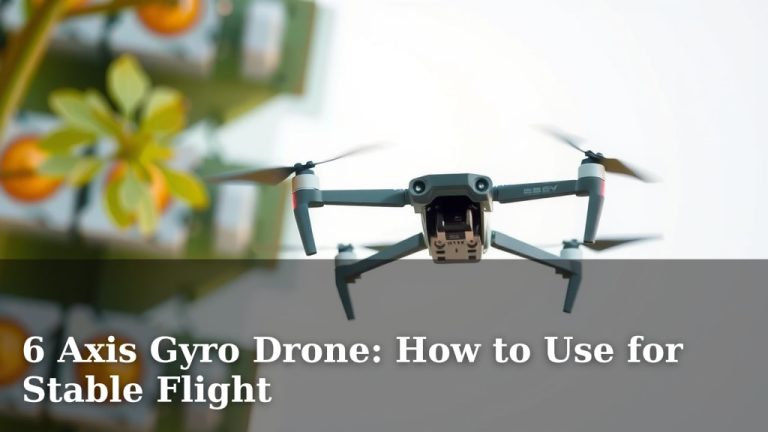
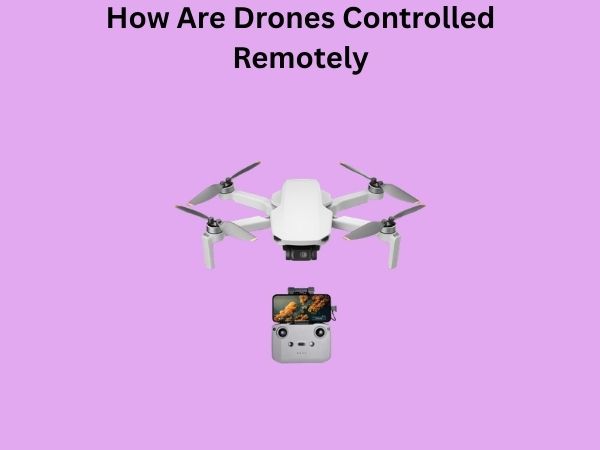
Before diving into the incredible applications, let’s establish what we’re actually talking about. A drone, at its core, is an aircraft without a pilot on board. It’s controlled remotely or programmed to fly autonomously using GPS and sophisticated sensors. Think of it as giving wings to artificial intelligence—a combination of hardware, software, and smart decision-making capabilities all working together.
What makes modern drones special isn’t just their ability to fly. It’s their ability to carry cameras, sensors, thermal imaging equipment, and various other tools that extend human capability beyond what our eyes and hands alone can do. They’re like digital explorers, going places humans can’t safely reach and gathering data we couldn’t obtain otherwise.
1. Agricultural Transformation Through Precision Farming
Let’s start with agriculture, because this is where drones have genuinely revolutionized an entire industry. Imagine you’re a farmer managing hundreds or thousands of acres. How would you know which sections of your fields need water, which crops are diseased, or where pest infestations are starting?
Crop Monitoring and Health Assessment
Modern agricultural drones equipped with multispectral cameras can fly over your fields and generate detailed maps showing the health status of every plant. These cameras detect light wavelengths invisible to the human eye, revealing stressed plants before you’d notice them with your own vision. Farmers can then target their interventions—whether that’s fertilizer, pesticides, or irrigation—to exactly where they’re needed.
This precision approach means less waste, better yields, and significantly lower costs. Instead of spraying an entire field, you’re treating specific problem areas. The result? Healthier crops and a more sustainable farming practice that protects the environment while boosting profitability.
Crop Spraying and Pest Management
Some agricultural drones carry liquid payloads and can spray fertilizers, pesticides, and herbicides with incredible precision. These machines can cover acres in a fraction of the time it would take traditional methods, and they use less chemical overall because they’re targeting specific areas rather than blanket applications.
- Drones reduce chemical usage by up to 50 percent compared to conventional spraying
- They access hard-to-reach areas without causing soil compaction
- Weather conditions that prevent human workers from operating are often manageable for drones
2. Infrastructure Inspection and Maintenance
Now imagine you’re responsible for inspecting power lines, cell towers, or railway infrastructure spread across hundreds of miles. Traditionally, this meant sending workers up on potentially dangerous equipment to examine structures visually. It was time-consuming, expensive, and risky.
Bridge and Building Assessments
Drones equipped with high-resolution cameras and thermal sensors can inspect bridges, buildings, and other structures from up close without requiring workers to scale dangerous heights. They capture detailed imagery that structural engineers can analyze for cracks, corrosion, or other damage indicators. This preventive approach helps identify problems before they become catastrophic failures.
Power Line and Pipeline Monitoring
Utility companies use drones to patrol thousands of miles of power lines and pipelines. The drones follow predetermined routes, capturing continuous video footage that can be analyzed for damage, illegal encroachment, or maintenance needs. What once took weeks to inspect manually now takes days, and it’s significantly safer for workers.
3. Search and Rescue Operations
When someone goes missing in remote terrain, every minute counts. Drones have become invaluable tools in search and rescue operations, capable of covering large areas quickly while equipped with thermal imaging that can detect body heat even in darkness or dense vegetation.
Finding Missing Persons
Rescue teams deploy drones to search areas that would take days for humans to cover on foot. The aerial perspective reveals things ground-level searchers would miss, and thermal cameras detect body heat signatures that help locate missing people quickly. This technology has saved countless lives, particularly in mountainous or wilderness areas.
Disaster Response and Assessment
After natural disasters like earthquakes or floods, drones provide rapid assessment of damage and help identify areas where people might be trapped. They can reach areas that are unsafe for human responders to access immediately, providing crucial intelligence that helps coordinate rescue efforts more effectively.
4. Real Estate and Photography Services
You’ve probably seen those stunning aerial property photos online. That’s drone technology at work. But it goes beyond just pretty pictures.
Property Listing Enhancement
Real estate agents use drones to create compelling listings with aerial perspectives that show a property’s size, layout, and surroundings in ways traditional photography simply can’t capture. Buyers get a better sense of the property before visiting, which streamlines the sales process.
Land Survey and Mapping
Drones equipped with GPS and surveying software can map property boundaries with remarkable accuracy. This technology has made land surveying faster and more affordable, which benefits both individual property owners and large development projects.
5. Delivery and Logistics Innovation
You’ve probably heard about Amazon’s drone delivery ambitions. While fully autonomous delivery networks aren’t everywhere yet, drones are already revolutionizing logistics in specific contexts.
Last-Mile Delivery Solutions
Some companies use drones for last-mile delivery in urban areas or to deliver to inaccessible locations. A small package can travel by drone in minutes rather than hours, bypassing traffic congestion entirely. This is particularly valuable for time-sensitive medical supplies or urgent packages.
Warehouse Management
Inside large warehouses, drones are being tested to track inventory and move items, reducing the need for manual labor while improving efficiency. Imagine a drone system that can locate any item in a massive warehouse in seconds.
6. Environmental Monitoring and Conservation
Conservation efforts have entered a new era thanks to drones. Researchers and wildlife officials now have tools that allow them to monitor ecosystems without disturbing wildlife or risking human lives in dangerous environments.
Wildlife Population Tracking
Thermal imaging drones help researchers count animal populations, track migration patterns, and monitor endangered species without physical intrusion. This data is crucial for conservation efforts and helps inform policies protecting vulnerable ecosystems.
Deforestation and Forest Fire Monitoring
Drones provide early warning of illegal logging and forest fires by monitoring vast forest areas regularly. Some fire departments use drones to assess wildfire conditions in real-time, helping coordinate firefighting efforts and protect firefighters from unnecessary danger.
Water Quality and Coastal Monitoring
Environmental agencies deploy drones to monitor water quality in rivers, lakes, and coastal areas. They collect water samples, assess algae blooms, and monitor pollution, providing data that would be time-consuming and difficult to gather through traditional methods.
7. Mining and Quarrying Operations
Mining is inherently dangerous work conducted in harsh environments. Drones have made significant inroads into this industry, improving safety and efficiency.
Site Mapping and Volume Calculation
Drones equipped with LiDAR (Light Detection and Ranging) technology can map mining sites with extreme precision, calculating ore volumes and monitoring extraction progress. This data helps mining companies optimize operations and ensure accurate resource accounting.
Safety Monitoring and Inspection
Rather than sending workers into dangerous areas to conduct safety inspections, companies use drones to assess conditions, identify hazards, and monitor the stability of mining walls and structures. This reduces worker exposure to risk while ensuring thorough inspections.
8. Construction Site Management
Construction projects are complex undertakings involving numerous moving parts and safety considerations. Drones have become essential tools for project managers.
Progress Tracking and Reporting
Regular drone flights capture consistent aerial documentation of construction progress. Project managers use these images to track timelines, identify bottlenecks, and provide stakeholders with accurate progress reports. This transparency improves project management and accountability.
Safety Compliance and Site Monitoring
Drones allow supervisors to monitor entire construction sites continuously, ensuring safety protocols are followed and identifying potential hazards before accidents occur. This proactive approach has demonstrably reduced construction site injuries.
9. Emergency Response and Disaster Management
Beyond search and rescue, drones serve numerous functions in emergency response situations.
Rapid Assessment Following Disasters
After hurricanes, earthquakes, or other disasters, drones provide rapid assessment of damage extent. This information helps emergency management officials prioritize response efforts, allocate resources effectively, and coordinate aid distribution.
Fire Fighting Support
Fire departments use drones to map fire perimeters, identify hot spots, monitor wind conditions, and track fire movement. This real-time information helps firefighters make better tactical decisions and protects lives by providing situational awareness that ground-level personnel cannot see.
10. Film, Television, and Entertainment Production
The entertainment industry has embraced drone technology enthusiastically, creating visual possibilities that simply weren’t feasible before.
Aerial Cinematography
Filmmakers use drones to capture sweeping aerial shots and dynamic camera movements that add production value and visual interest. What once required expensive helicopter rentals can now be accomplished with a relatively affordable drone, democratizing high-end visual storytelling.
Live Event Coverage
Sports events, concerts, and other live events increasingly feature drone coverage that provides spectators with perspectives they’ve never seen before. This technology enhances viewer experience and opens new possibilities for how we consume entertainment.
Additional Emerging Applications Worth Noting
Medical Supply Delivery
In remote areas and developing nations, drones deliver medical supplies, blood products, and even organs for transplant. This capability literally saves lives by getting critical supplies where they’re needed faster than traditional transportation methods would allow.
Communication and Internet Access
Some companies are experimenting with drones that provide temporary communication networks in disaster areas or remote regions lacking internet infrastructure. Imagine a situation where traditional communication fails but drones can bridge that gap, keeping people connected when it matters most.
Weather Monitoring and Climate Research
Research drones collect atmospheric data, monitor weather patterns, and study climate change effects in ways that complement traditional weather stations and satellites. This expanded data collection improves our understanding of atmospheric phenomena and enhances weather prediction accuracy.
The Challenges and Considerations
Of course, widespread drone adoption isn’t without complications. Regulatory frameworks are still evolving as governments work to balance innovation with safety and privacy concerns. Battery limitations, weather dependencies, and the need for operator training present practical challenges. Additionally, privacy advocates raise valid concerns about surveillance capabilities and data collection.
Despite these challenges, the trajectory is clear: drones are becoming more sophisticated, more capable, and more integrated into how we conduct business and solve problems across nearly every sector.
Conclusion
We’re witnessing a genuine technological revolution, though it might be easy to overlook because it’s happening gradually and across so many different industries simultaneously. Drones have transcended their initial reputation as toys or novelties to become serious tools that increase efficiency, improve safety, reduce costs, and enable capabilities that were simply impossible just a few years ago.
Whether it’s a farmer optimizing crop yields, a rescue team finding a missing person, a utility company inspecting infrastructure safely, or a filmmaker creating stunning visuals, drones are proving their value across the entire spectrum of human activity. As battery technology improves, artificial intelligence advances, and regulatory frameworks mature, we can expect even more innovative applications to emerge.
The question isn’t really whether drones will continue to change our world—they clearly will. The real question is: what problem in your industry could drones potentially solve? As this technology continues to evolve and become more accessible, staying informed about drone applications in your field could provide a significant competitive advantage. The drone revolution is here, and it’s only getting started.
Frequently Asked Questions
What are the main types of drones used in commercial applications?
Commercial drones vary widely depending on their intended purpose. Multicopters, including quadcopters, are the most common type for photography, inspection, and surveying because they’re stable and versatile. Fixed-wing drones are better for covering large areas efficiently due to longer flight times and greater distance capabilities. Hybrid models combine elements of both. Agricultural drones are specifically designed to carry heavier payloads like spraying equipment. Each type serves different purposes based on payload capacity, flight duration, and maneuverability requirements.
How much does a commercial drone cost, and is the investment worth it?
Commercial drone costs range dramatically depending on capability and specialization. Basic inspection drones start around $5,000, while advanced agricultural drones or surveying equipment can cost $50,000 or more. However, when you calculate time savings, improved efficiency, and risk reduction, the return on investment often justifies the initial expense within months. A construction company saving weeks on site documentation or a farm reducing chemical usage by fifty percent quickly recovers their investment through operational savings.
What licenses or certifications do you need to operate a commercial drone?
Requirements vary by country and jurisdiction, but most nations require operators to obtain a commercial pilot license or certification to legally operate drones for business purposes. In the United States, this involves obtaining a Part 107 Remote Pilot Certificate from the FAA. Training requirements typically include understanding airspace regulations, safety procedures, and emergency protocols. Different countries have different rules, so operators need to research their specific location’s requirements before beginning commercial drone operations.
What are the privacy and legal concerns associated with drones?
Privacy concerns center on surveillance capabilities, particularly regarding thermal imaging and video recording from altitude. Legal frameworks are still developing to address these concerns. Most jurisdictions prohibit flying over people’s private property without permission, and many locations restrict where and when drones can operate. Data collection and storage also raise concerns about who has access to the information gathered. Before deploying drones, operators must understand local regulations, obtain necessary permissions, and establish clear policies about data handling and privacy protection.
What does the future of drone technology look like?
Future drone development will likely focus on battery technology improvements that enable longer flight times, advanced artificial intelligence for autonomous decision-making, better obstacle avoidance systems, and increased payload capacity. We’ll probably see more swarm technology where multiple drones coordinate autonomously to accomplish complex tasks. Miniaturization will create smaller, more nimble drones suitable for indoor environments. Improvements in weather resistance and environmental durability will expand operating conditions. Integration with 5G networks will enable real-time data transmission and remote operation. The industry is rapidly evolving, with innovations emerging constantly that will expand what’s possible.
“`